
The Love Space Guide № 008: How to Stargaze Without a Telescope
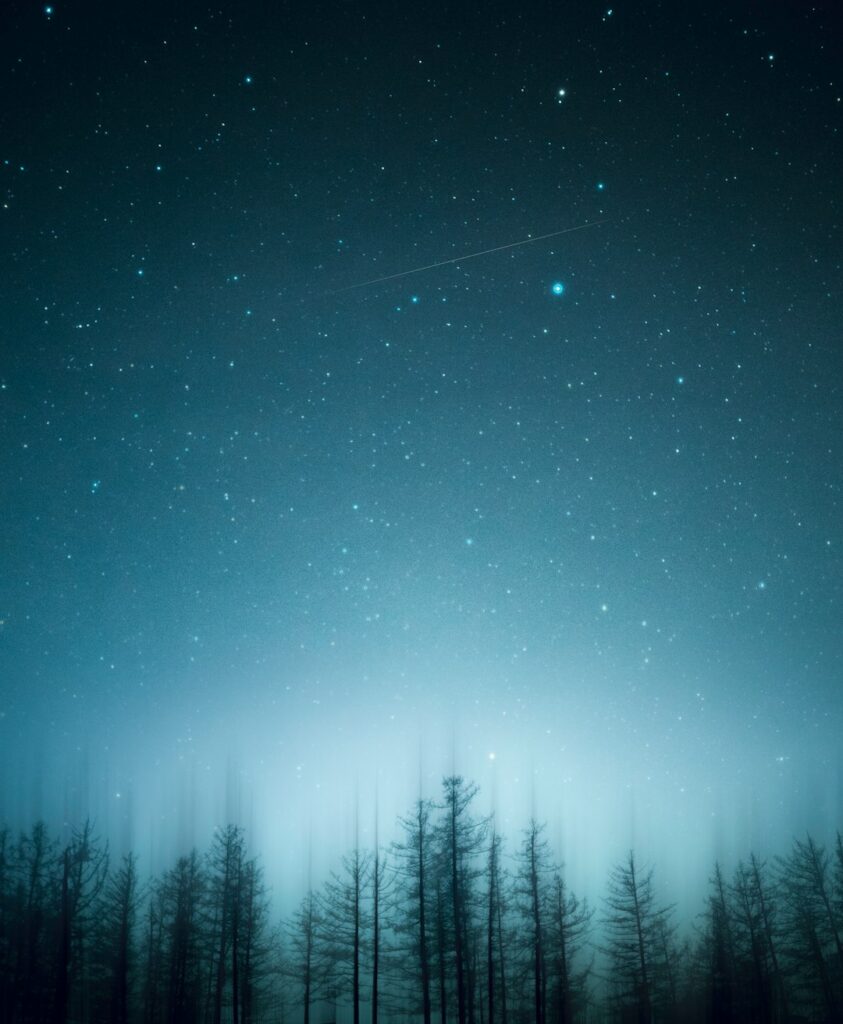
Photo by naraa .in.ub on Unsplash On a genuinely dark night, far from streetlights, the unaided human eye can pick […]
Photo by naraa .in.ub on Unsplash On a genuinely dark night, far from streetlights, the unaided human eye can pick […]
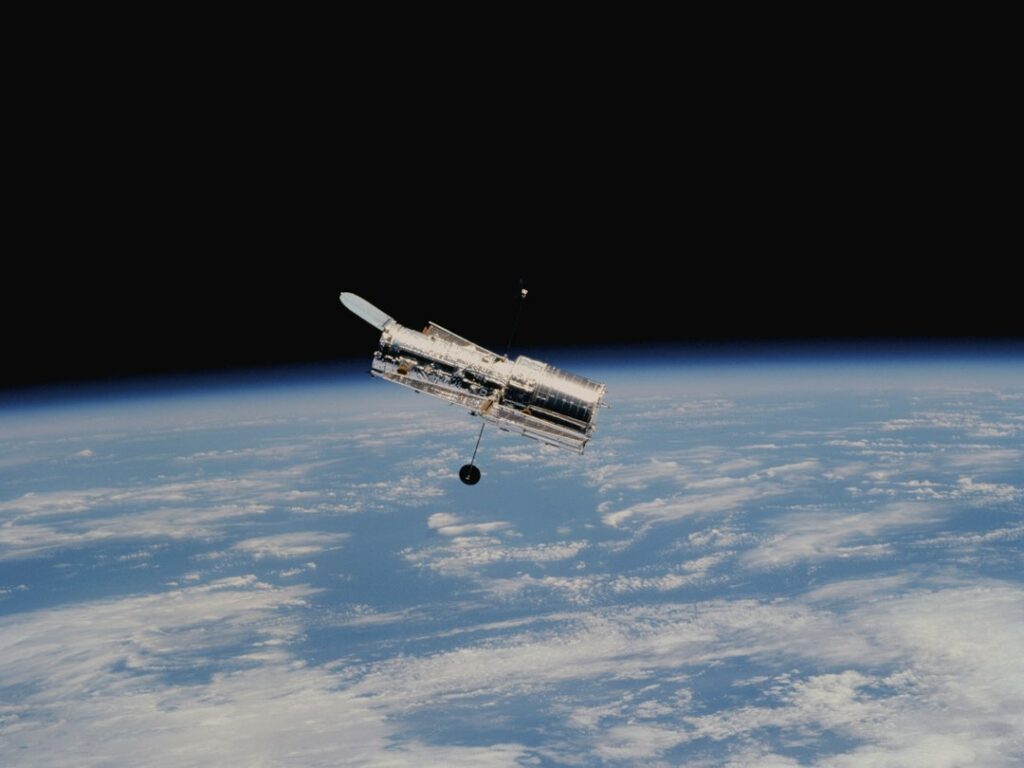
Photo by NASA on Unsplash When the Hubble Space Telescope sent back its first images in 1990, they were blurry
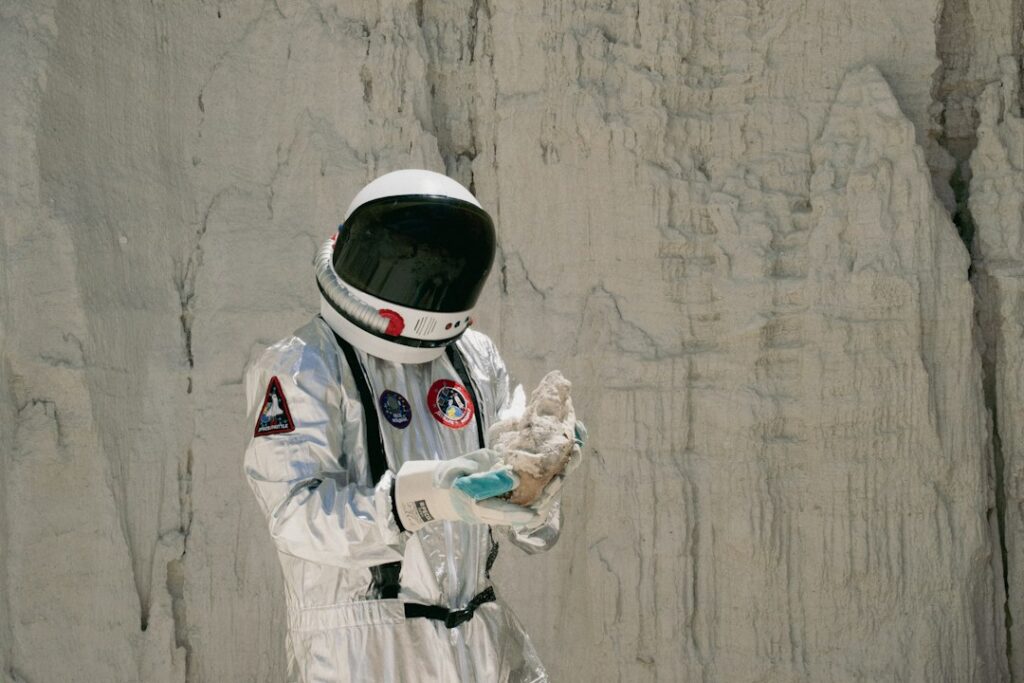
Photo by Guilherme Farinha on Unsplash In 1965, on the Gemini 3 mission, astronaut John Young pulled a corned beef
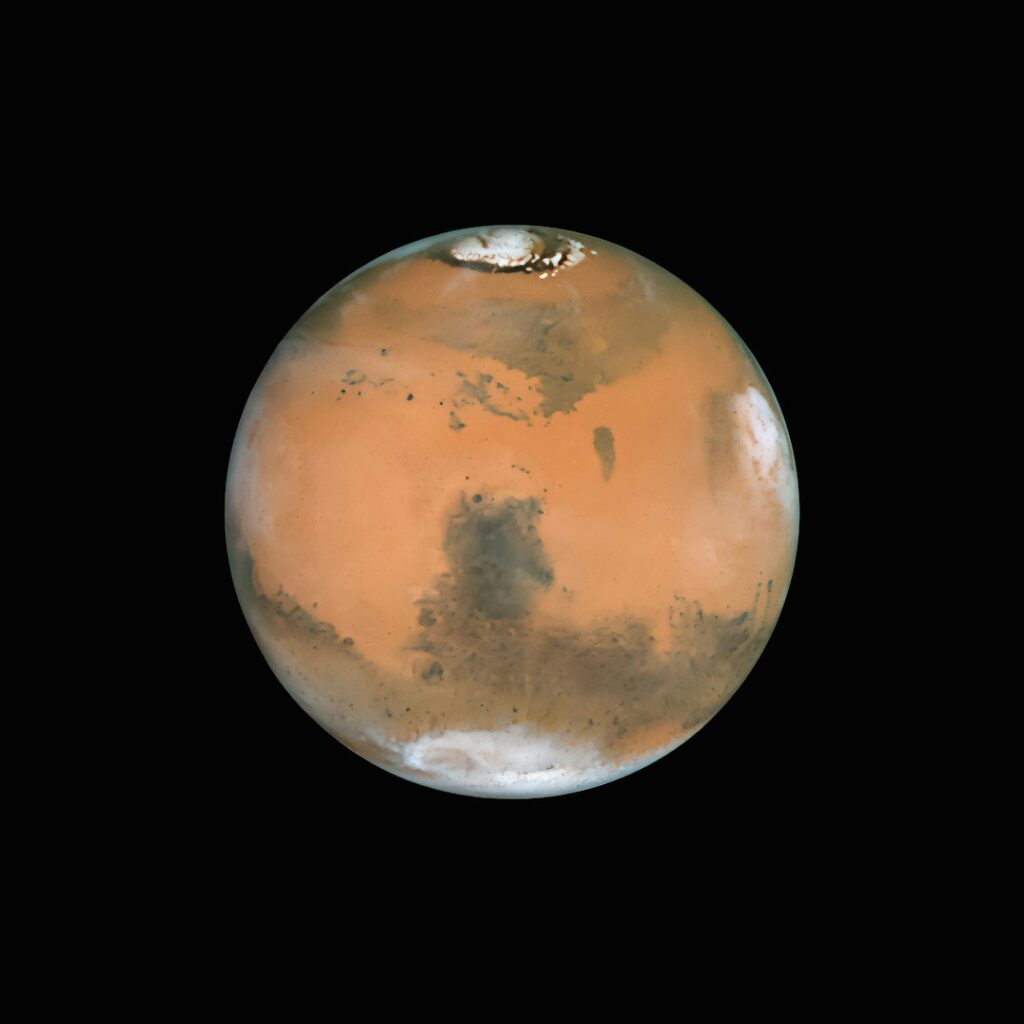
Photo by NASA Hubble Space Telescope on Unsplash When NASA’s Opportunity rover sent its final transmission in 2018, engineers translated
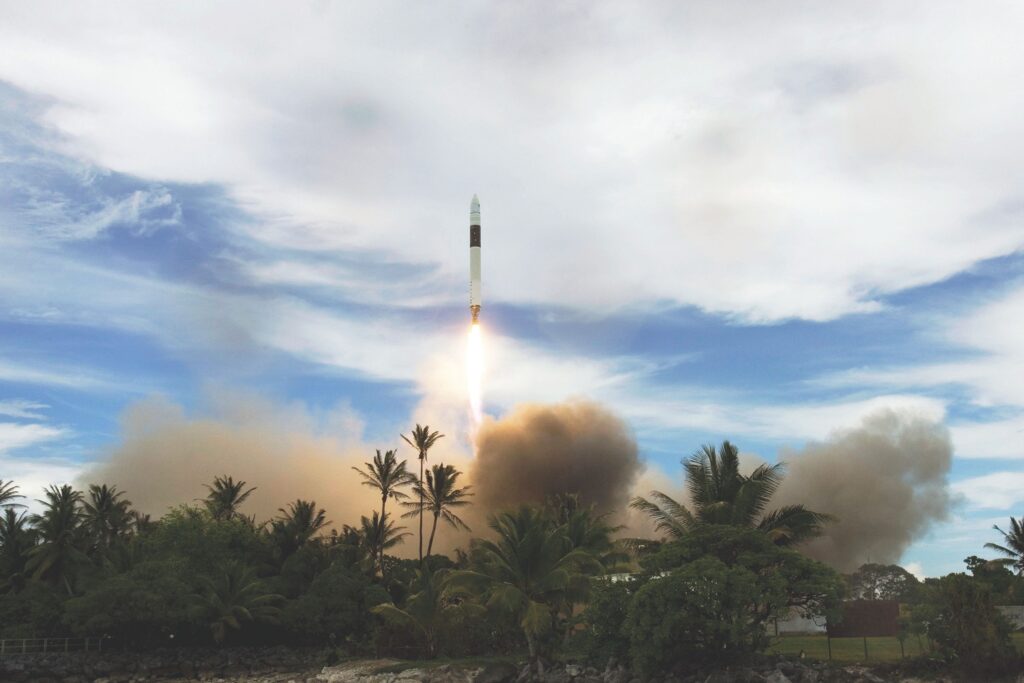
Photo by SpaceX on Pexels Stand on the equator and you are already moving east at roughly 1,670 kilometres per
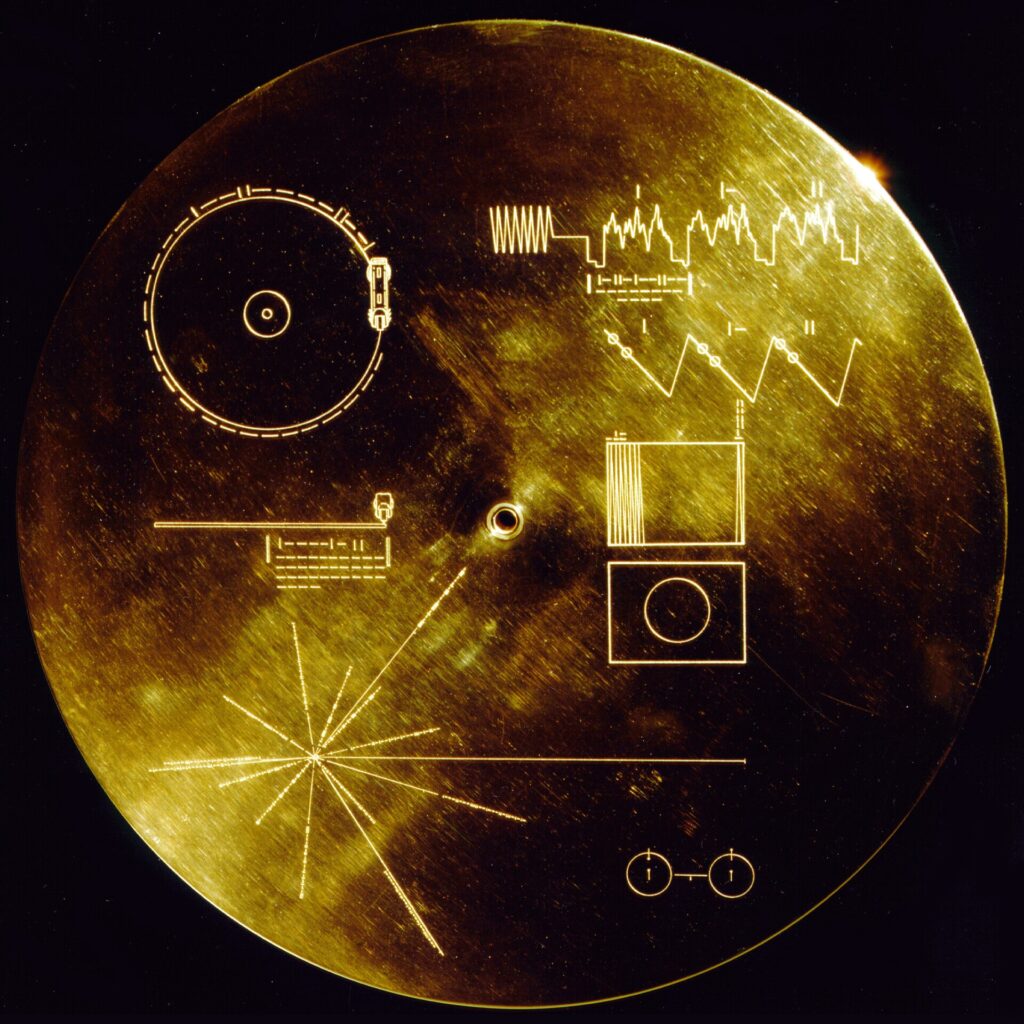
NASA/JPL via Wikimedia Commons (Public domain) Bolted to the side of each Voyager spacecraft is a 12-inch, gold-plated copper phonograph
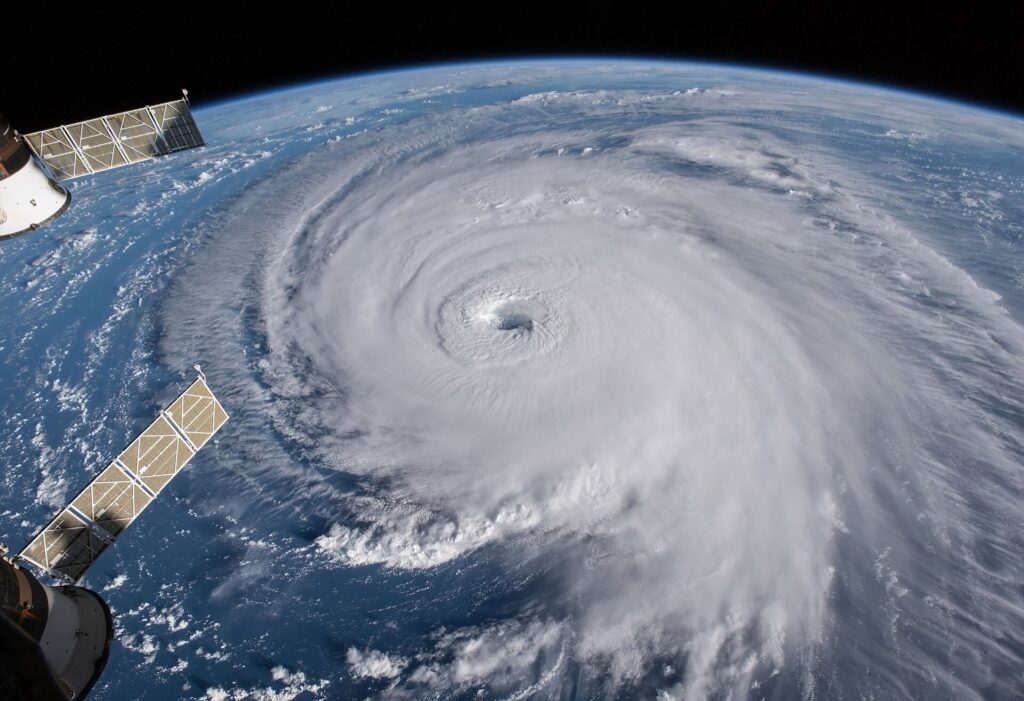
NASA/Goddard Space Flight Center via Wikimedia Commons (CC BY 2.0) Right now, roughly 400 kilometres above your head, a structure
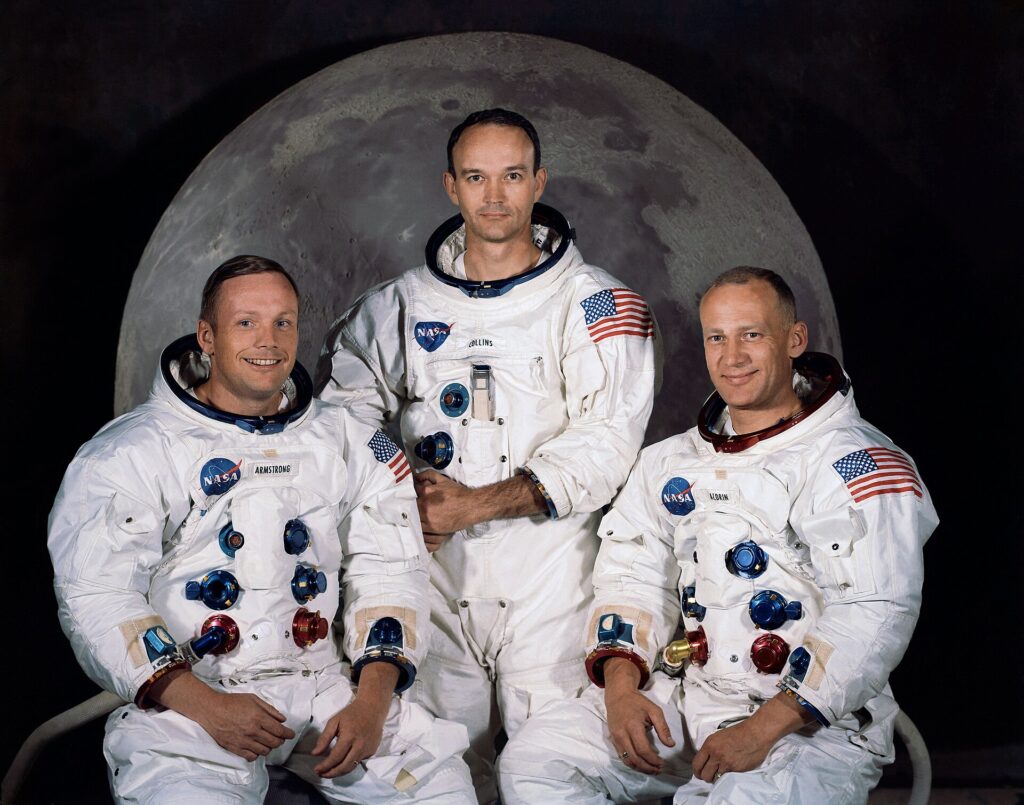
NASA via Wikimedia Commons (Public domain) On July 20, 1969, Neil Armstrong stepped off the ladder of the lunar module
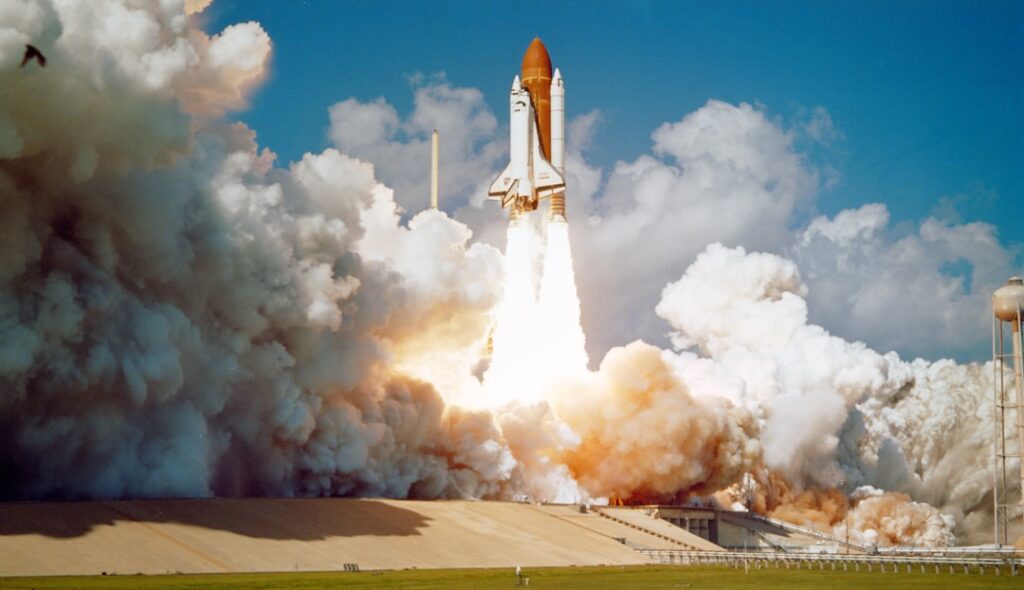
From Newton’s laws to combustion chambers, discover the physics and engineering that make rockets the only machines capable of reaching space.
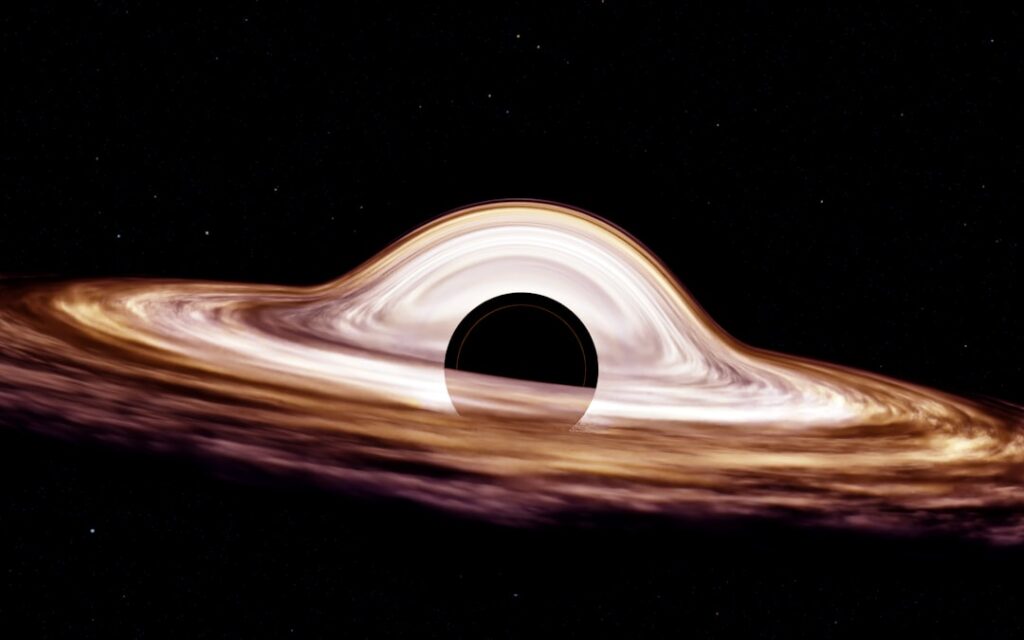
Black holes are among the most extreme objects in the universe. Here’s what they are, how they form, and why scientists are fascinated by them.