
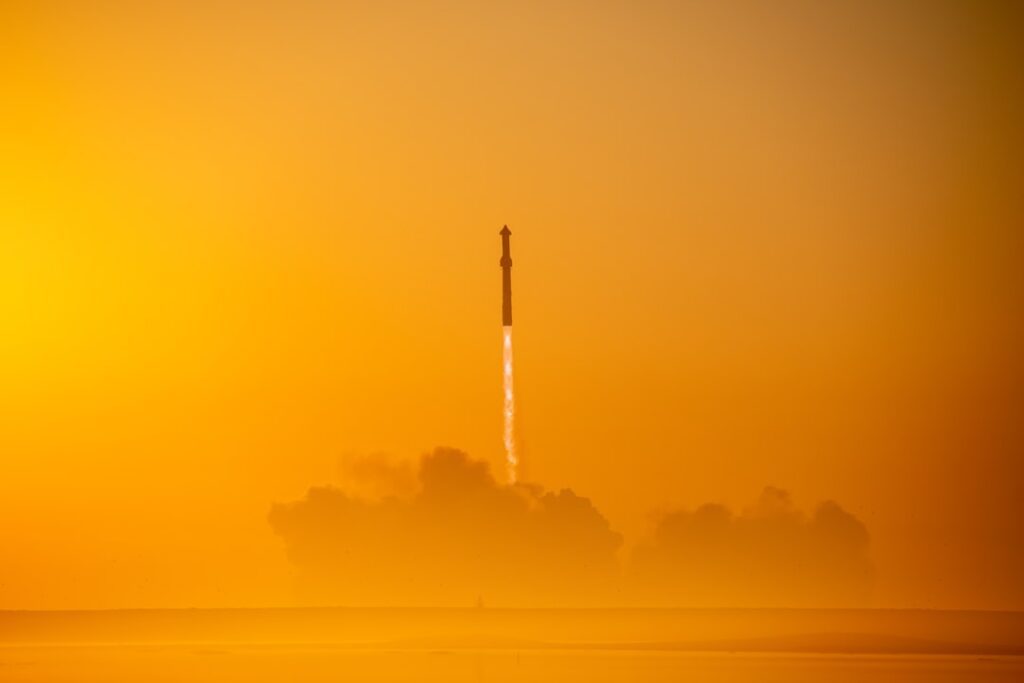
The race to commercialize space is no longer science fiction. Three companies—SpaceX, Blue Origin, and Virgin Galactic—have emerged as the dominant players in what many are calling the New Space Race. Each brings a different vision, technology, and strategy to opening the cosmos for business and exploration.
Understanding how these companies differ helps clarify where the space industry is heading and what opportunities lie ahead for science, tourism, and eventually settlement beyond Earth.
SpaceX: The Workhorse of Orbit
Founded by Elon Musk in 2002, SpaceX has become the most operationally active private space company in history. Its Falcon 9 rocket is the backbone of modern spaceflight, launching more than 90 times in 2023 alone and maintaining a similar cadence through 2026. The company has mastered reusability—landing and reflying first-stage boosters dozens of times, dramatically lowering launch costs.
SpaceX’s achievements include:
- Regular cargo and crew missions to the International Space Station via the Dragon spacecraft
- Starlink, a constellation of over 5,000 satellites providing global internet coverage
- Development of Starship, the fully reusable super heavy-lift vehicle designed for Moon and Mars missions
- Commercial satellite launches for governments and private companies worldwide
SpaceX focuses on orbital spaceflight and beyond. Its goal isn’t just tourism—it’s building the infrastructure for interplanetary civilization. Starship’s ongoing test flights in 2026 represent the company’s commitment to making Mars accessible within the next decade. NASA has contracted Starship as the lunar lander for Artemis III, scheduled to return humans to the Moon’s surface.
The company’s pricing remains competitive, with Falcon 9 launches costing around $67 million, significantly less than legacy providers. Starlink also generates substantial revenue, funding the more ambitious Mars architecture.
Blue Origin: Methodical and Moon-Focused
Jeff Bezos founded Blue Origin in 2000 with the motto “Gradatim Ferociter”—step by step, ferociously. True to form, the company has moved more cautiously than SpaceX, but with serious long-term intent.
Blue Origin’s key programs include:
- New Shepard, a suborbital vehicle offering 10-minute flights past the Kármán line (100 km altitude) for tourists and research payloads
- New Glenn, a heavy-lift orbital rocket expected to begin operational flights in late 2026, designed to compete directly with Falcon 9 and Falcon Heavy
- Blue Moon, a lunar lander being developed for NASA’s Artemis program and commercial Moon missions
- Orbital Reef, a planned commercial space station in partnership with Sierra Space
New Shepard has flown dozens of crewed and uncrewed missions since 2021, carrying paying customers, researchers, and cargo. The experience is fully automated—no pilots—with large windows offering spectacular views during a few minutes of weightlessness.
New Glenn represents Blue Origin’s move into the orbital market. Standing 98 meters tall with a reusable first stage, it’s designed to launch satellites, deep-space probes, and eventually crew. The rocket’s BE-4 engines also power United Launch Alliance’s Vulcan Centaur, making Blue Origin a key supplier to the broader industry.
Bezos has emphasized building infrastructure in space to enable millions of people to live and work off-world. The company prioritizes sustainability and long-term presence over rapid iteration.
Virgin Galactic: The Suborbital Tourism Pioneer
Richard Branson’s Virgin Galactic took a different path entirely. Rather than rockets, it developed SpaceShipTwo—a spaceplane carried aloft by a twin-fuselage carrier aircraft, then released to rocket to the edge of space.
Virgin Galactic began commercial operations in 2023, offering 90-minute flights that include several minutes of weightlessness and views of Earth’s curvature from around 90 km altitude. Tickets have sold for $450,000, with hundreds of customers having flown by mid-2026.
The company’s focus remains firmly on space tourism and research, not orbital capability. Its unique air-launch system allows flights from conventional runways, and the experience emphasizes luxury and accessibility—”astronaut” wings for every passenger.
Virgin Galactic is now developing Delta, a next-generation spaceplane designed to fly weekly with improved performance and economics. The goal is to make suborbital spaceflight routine and profitable, opening opportunities for science experiments in microgravity and global point-to-point travel in the farther future.
Three Visions, One Frontier
Comparing the three reveals distinct philosophies. SpaceX is the high-tempo operator pushing boundaries toward Mars. Blue Origin is the methodical architect building sustainable infrastructure. Virgin Galactic is the tourism specialist making space accessible to those who can afford a spectacular experience.
None are direct competitors in every arena. SpaceX dominates orbital launches and deep-space ambitions. Blue Origin is catching up with New Glenn and positioning itself for lunar economy. Virgin Galactic occupies the suborbital tourism niche with no immediate orbital plans.
Together, they’re expanding what’s possible. The New Space Race isn’t winner-take-all—it’s a multi-front effort to make humanity a spacefaring species. Whether you’re inspired by reusable rockets, lunar infrastructure, or the dream of looking back at Earth from the edge of space, all three companies are writing the next chapter.
Want more insights on the companies and missions shaping our future in space? Subscribe to the Love Space newsletter and get one cosmic idea delivered to your inbox every day.